Exploring Autobiographical Art: Lumacarts' Unique Journey
Updated: Jul 24
Art has always been a powerful medium for self-expression, allowing individuals to share their stories, experiences, and emotions. Among the various forms of artistic expression, autobiographical art stands out as a deeply personal and often transformative journey.
This blog post delves into my unique journey as an artist, a platform that celebrates autobiographical art, exploring its significance, the creative process, and the impact it has on both artists and audiences.
The Essence of Autobiographical Art
Autobiographical art is not just about creating visually appealing pieces; it is about conveying personal narratives and emotions. This form of art allows artists to reflect on their lives, experiences, and identities, often leading to profound insights and connections with others.
What Makes Autobiographical Art Unique?
Personal Connection: Each piece is a reflection of the artist's life, making it unique and deeply personal.
Emotional Depth: The stories behind the art often resonate with viewers, creating an emotional connection.
Cultural Reflection: Artists often incorporate cultural elements, providing insight into their backgrounds and experiences.
Therapeutic Value: Creating autobiographical art can be a therapeutic process, helping artists process their emotions and experiences.
Lumacarts: A Platform for Autobiographical Expression
Lumacarts is dedicated to promoting autobiographical art, providing a space for me and other artists to share their stories through their work. The platform encourages artists to explore their identities and experiences, fostering a community that values personal narratives.
The Mission of Lumacarts
Lumacarts aims to:
Empower Artists: By providing a platform for self-expression, Lumacarts empowers artists to share their stories and connect with others.
Foster Community: The platform creates a supportive environment where artists can share their experiences and learn from one another.
Promote Understanding: By showcasing diverse narratives, Lumacarts promotes empathy and understanding among audiences.
The Creative Process Behind Autobiographical Art
Creating autobiographical art is a deeply personal journey that varies from artist to artist. Here are some common steps in the creative process:
1. Reflection
Artists often begin by reflecting on their experiences, emotions, and identities. This introspection helps them identify the themes they want to explore in their work.
2. Concept Development
Once the artist has a clear idea of their narrative, they develop a concept for their piece. This may involve sketching ideas, choosing colors, and deciding on the medium.
3. Creation
The actual creation of the artwork is where the magic happens. Artists pour their emotions and experiences into their work, often experimenting with different techniques and styles.
4. Sharing
After completing their piece, artists share their work with the world. This can be done through exhibitions, online platforms like Lumacarts, or social media.
5. Reflection on Reception
Artists often reflect on how their work is received by audiences. Feedback can provide valuable insights and inspire future projects.
The Impact of Autobiographical Art on Artists and Audiences
Autobiographical art has a profound impact on both creators and viewers. Here are some ways it influences individuals:
For Artists
Self-Discovery: The process of creating autobiographical art often leads to self-discovery and personal growth.
Healing: Many artists find that expressing their experiences through art can be therapeutic, helping them process trauma or difficult emotions.
Connection: Sharing their stories can foster connections with others who may have similar experiences.
For Audiences
Empathy: Viewers often develop a deeper understanding of the artist's experiences, fostering empathy and connection.
Inspiration: Autobiographical art can inspire others to share their own stories or explore their identities.
Cultural Awareness: By showcasing diverse narratives, autobiographical art promotes cultural awareness and understanding.
Examples of My Autobiographical Art
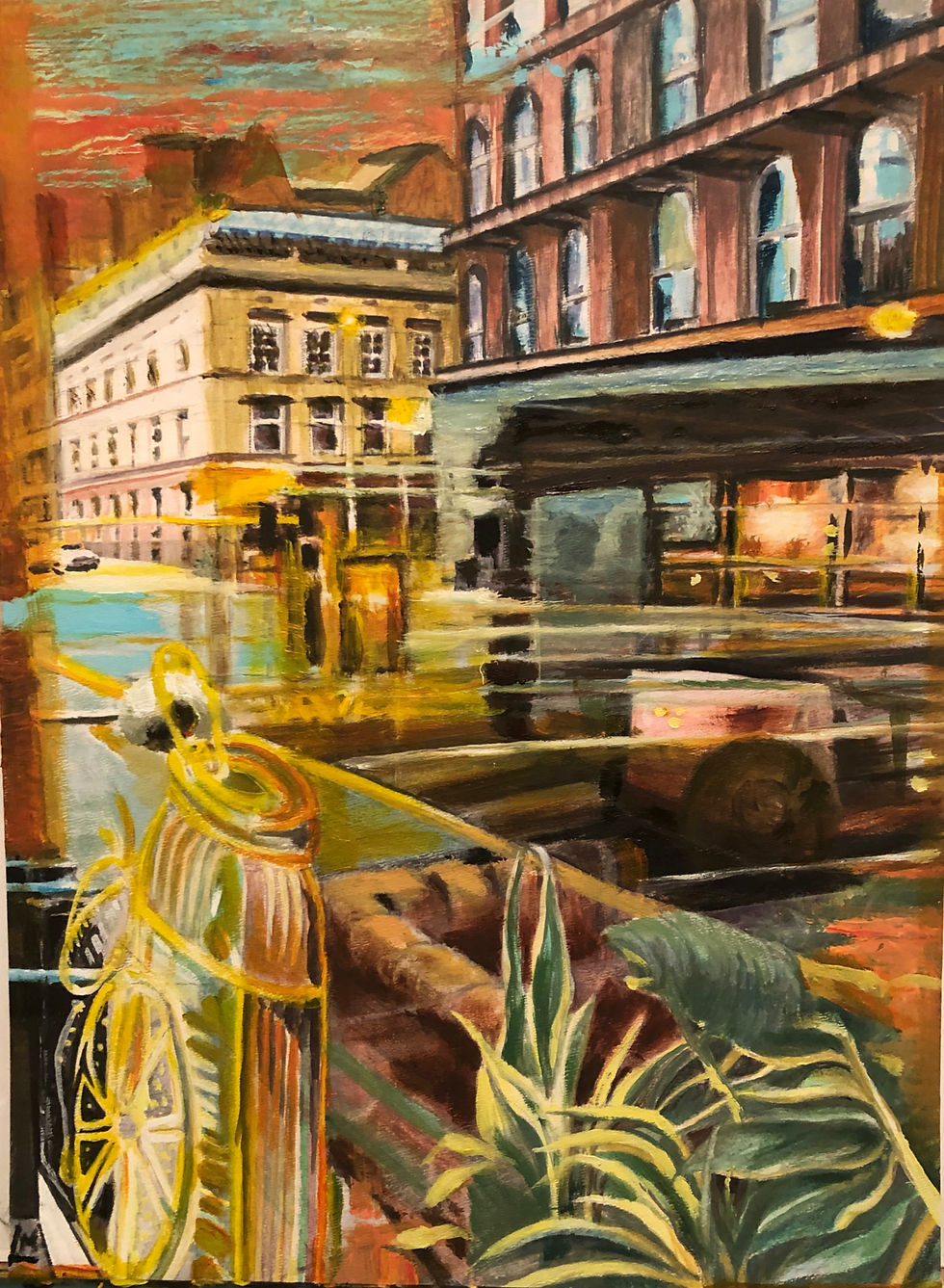
The Cuban Bar
This comes from a series of paintings exploring the complexities of any given moment in life. The Cuban Bar is situated on Renfield Street in Glasgow. It was 6.50am and I had just got off the number 6 First bus which runs from Clydebank to East Kilbride, eager to catch my second bus that would take me to my work in Glasgow’s Eastend. On the face of it, a wee woman in transit, peering into an empty bar. And yet there was so much more. Ghostly figures of other people on buses, Victorian and Georgian architecture infused on the trappings of modern life, the extended view of space as the street behind stretched miraculously beyond my peripheral vision. My moment in time felt small and also unfathomable. The juxtaposition of past and present, old and new, self and collective seemed captured in this image.

For this painting, I recycled an old canvas – an early painting of refugees on a boat heading into the unknown. I had decided to revisit Loch Goil - a aplace I retreat to- and had the idea of approaching the landscape as a historical record of the past and how it impacts the present and the future. Like most paintings it was a struggle – much like the history of Scotland itself. The canvas was heavily scarred with oil paint that had been plastered on but I told myself that all landscapes are scarred by the past, and like my wrinkles, I should embrace them. I was also aware of my main man in the original, refusing to fade into the background, and so I embraced him too. Like every other country, Scotland has been built on the backs of refugees from all over the world. He could have been an ancestor of mine, fleeing Ireland back in the day. There are no fishing boats on loch Goil now but there would have been many in the past and the crofts have long gone too, replaced by hotels and second homes. When I look at the scene I see the ghosts of the past, the fisher men, crofters lost in the brutality of the highland clearances and the hidden nuclear submarines that only surface now and again. The earth absorbs all the stories that have played out on them. They shouldn’t be forgotten.
To illustrate the power of autobiographical art, let's explore a few notable examples:
1. Frida Kahlo
Frida Kahlo is perhaps one of the most famous autobiographical artists. Her self-portraits often reflect her personal struggles, including her physical pain and emotional turmoil. Kahlo's work resonates with many due to its raw honesty and emotional depth.
2. Tracey Emin
Tracey Emin's work often draws from her personal experiences, including her childhood and relationships. Her piece "My Bed," which features her unmade bed surrounded by personal items, invites viewers into her intimate world, challenging societal norms around art and vulnerability.
3. Kehinde Wiley
Kehinde Wiley's portraits often explore themes of identity and representation. By featuring people of color in traditional portraiture settings, Wiley challenges historical narratives and highlights the importance of diverse stories in art.
How to Get Involved with Autobiographical Art
If you're interested in exploring autobiographical art, here are some ways to get involved:
1. Create Your Own Art
Start by reflecting on your experiences and emotions. Use various mediums—painting, drawing, writing, or photography—to express your story.
2. Join a Community
Look for local or online communities that focus on autobiographical art. Engaging with others can provide support, inspiration, and feedback on your work.
3. Attend Workshops
Participate in workshops or classes that focus on autobiographical art. These can help you develop your skills and connect with other artists.
4. Share Your Work
Once you feel ready, share your art with others. This could be through social media, exhibitions, or platforms like Lumacarts.
The Future of Autobiographical Art
As society continues to evolve, so does the landscape of autobiographical art. With the rise of digital platforms, artists now have more opportunities than ever to share their stories with a global audience.
Embracing Technology
Digital tools and platforms allow artists to experiment with new forms of expression, such as digital painting or interactive installations. This evolution opens up new avenues for storytelling and connection.
Increasing Diversity
The art world is becoming increasingly inclusive, with more artists from diverse backgrounds sharing their narratives. This shift enriches the art community and promotes a broader understanding of human experiences.
The Role of Education
Educational institutions are beginning to recognize the importance of autobiographical art in fostering creativity and self-expression. By incorporating these themes into curricula, schools can help nurture the next generation of artists.
Final Thoughts
Autobiographical art is a powerful form of self-expression that allows individuals to share their stories and connect with others. Lumacarts will always strive to play a vital role in promoting this art form, providing a platform for artists to explore their identities and experiences.
As we continue to embrace the diverse narratives within autobiographical art, we foster empathy, understanding, and connection in our communities. Whether you're an artist or an admirer, consider exploring the world of autobiographical art and the unique stories it has to offer.
By sharing our experiences, we not only enrich our own lives but also contribute to a more compassionate and understanding world. So, pick up a brush, pen, or camera, and start telling your story today!

Comments